Featuring a new chip and a touch screen, explosive leaks about the new MacBook Pro have been revealed: it is more powerful yet more expensive.
Leitech has found that news about the next-generation MacBook Pro has been coming out intensively recently. According to multiple leaks from AppleInsider, Mark Gurman of Bloomberg and other sources, Apple has split the MacBook Pro into two product lines this time: a standard model that continues to use the existing chassis, and another brand-new OLED touchscreen version with a completely redesigned look.
If nothing unexpected happens, the new MacBook Pro will be released at the end of the year, later than the iPhone 18 Pro. The touch-enabled MacBook that has only existed in rumors for a long time is finally coming for real this time.
Key Upgrades of MacBook Pro: Chip and Touch Control
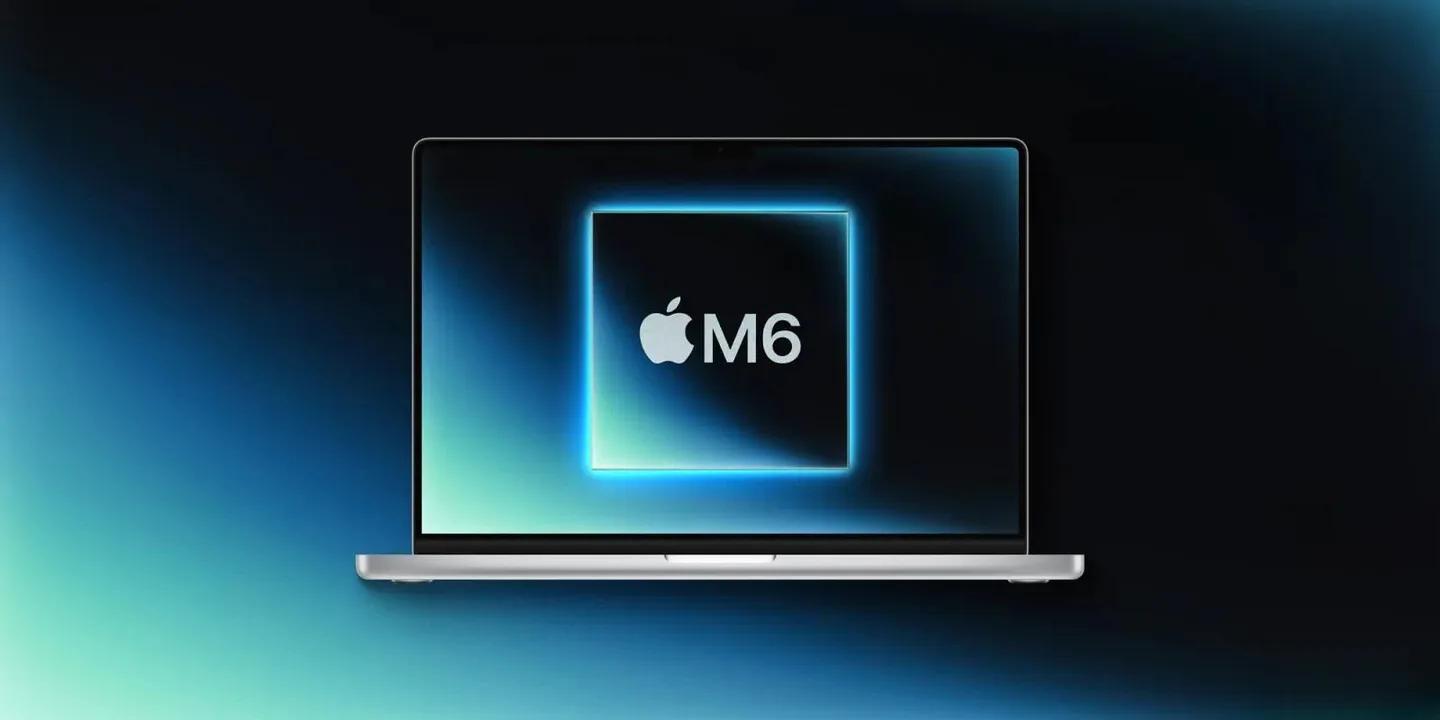
The internal model number of the 14-inch standard next-generation MacBook Pro is J804, which follows the naming convention of the M5 model J704 and M4 model J604. The upgrade Apple has prepared for it is very straightforward: replace the chip, keep the original chassis. For other aspects, the XDR ProMotion high-refresh display, six-speaker system, various interfaces and other configurations are all retained, and the starting price remains at $1999. According to leaks, it will most likely be released at the end of 2026, equipped with the next-generation M6 chip.
The M6 chip is the biggest selling point of this MacBook. It will adopt TSMC's first-generation 2nm process N2, the GPU is increased from 10 cores of M5 to 12 cores, the memory bandwidth is increased from 153GB/s to 200GB/s, and the performance of the Neural Engine is also enhanced. The bandwidth improvement brought by the new memory architecture, coupled with the further upgraded AI core, is clearly designed for on-device AI tasks such as Apple Intelligence and Siri.
Of course, in line with Apple's usual precise product segmentation strategy, the performance of M6 will not be stronger than the previous generation M5 Pro and M5 Max, after all, it is positioned as an entry-level model. Taking the memory bandwidth as an example, the 200GB/s rate of M6 is significantly higher than that of the standard M5, but the memory bandwidth of M5 Pro exceeds 300GB/s, and that of M5 Max even reaches 460GB/s.
Among Apple's new generation of Mac chips, the more noteworthy ones are estimated to be M6 Pro and M6 Max, and users can choose the corresponding versions on the new MacBook Pro. However, the MacBook Pro with standard M6 is already not cheap, so upgrading the chip will of course require a significant extra cost.
(Source: 9to5mac)
In addition, the heat dissipation design of Apple's hardware devices has long been widely criticized. The MacBook Air is not even equipped with a fan, which Apple calls a "silent design". It does perform well in daily low-load scenarios and brings a good user experience. However, once it enters high-load scenarios, due to the poor heat dissipation design, the theoretically powerful M5 and M4 chips on MacBook Air cannot fully release their performance.
According to Apple's strategy, fan cooling on laptops has long been exclusive to the more expensive MacBook Pro. The problem is that under the unchanged chassis of MacBook Pro for years, although the heat dissipation is better than that of MacBook Air, there is still a gap compared with the Windows camp. The good news is that Apple will finally make changes this time: both the 14-inch and 16-inch MacBook Pro will add vapor chamber heat dissipation, a design that was previously used on the iPhone 16 Pro series. Even if it cannot completely solve the problem at one go, it can at least alleviate it to some extent.
Specifically, Apple has redesigned the heat dissipation scheme for the 14-inch and 16-inch M6 MacBook Pro, using vapor chambers that not only cover the chip but also extend to the entire motherboard, while adjusting the design of the fan and blades to discharge hot air out of the body faster. The goal is to lower the temperature under long-term high load and reduce frequency throttling. For Pro users who run heavy workloads, this is more practical than adding two extra GPU cores.
Apart from the standard MacBook Pro that continues to use the old chassis, Apple has opened up a new series for this product line this time. The high-end OLED touchscreen version corresponds to two code names K114 and K116, with the first letter changed from J to K. The J series continues to use the existing platform, while the K series adopts a brand-new body. According to Bloomberg's report, this product will be a completely redesigned machine, thinner and lighter than the current MacBook Pro.
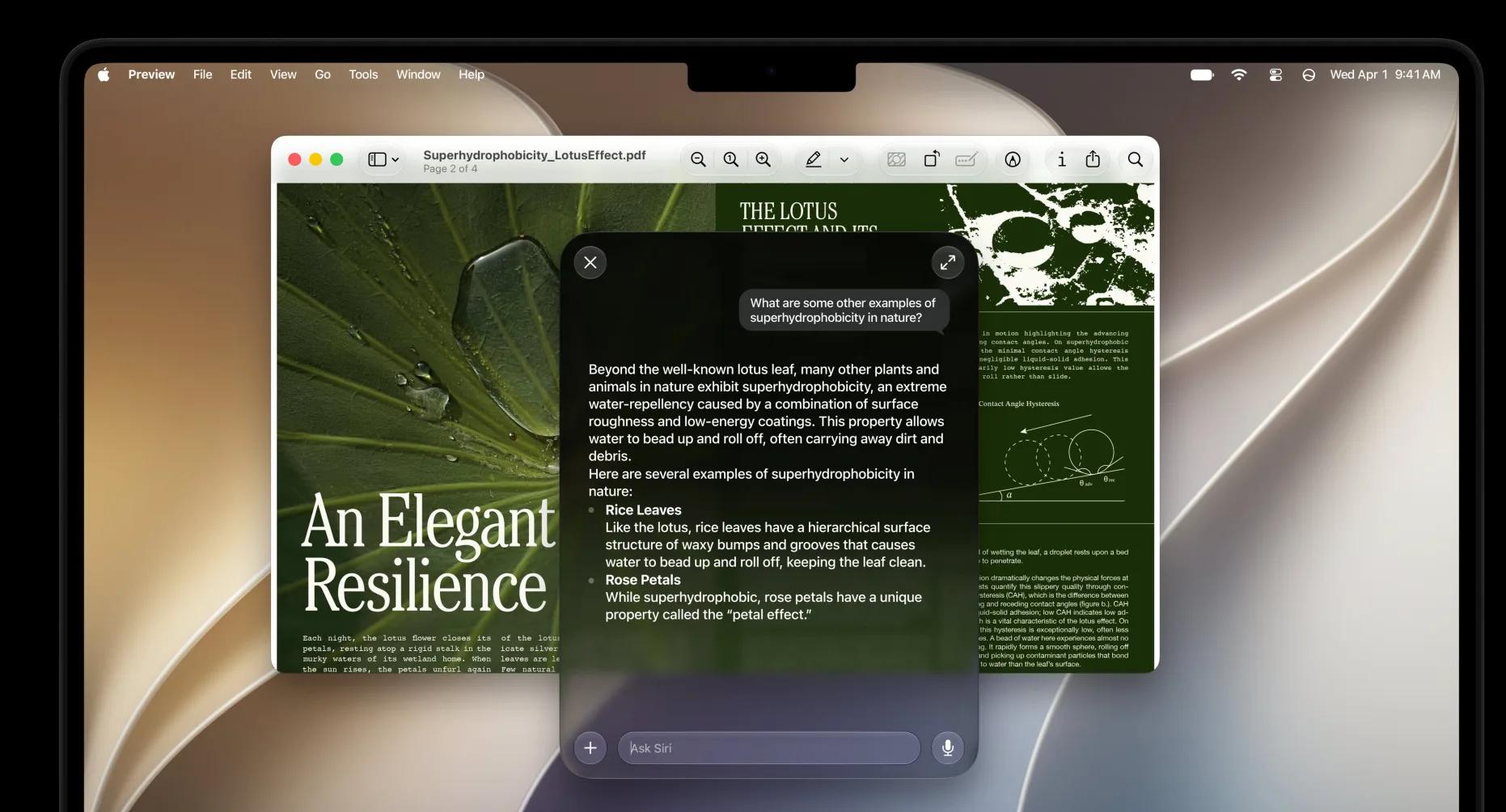
Moreover, the touchscreen is its biggest selling point, which is the first time in the history of Mac. According to Mark Gurman, Apple positions touch control as an auxiliary input method, not to replace the keyboard and trackpad, and the supporting macOS 27 Golden Gate system has been specially optimized for touch operation. The OLED panel is also adopted on MacBook for the first time, the notch will be removed and replaced with a scheme of a punch-hole camera plus Dynamic Island, and Siri AI will also be integrated into the Dynamic Island. In any case, the appearance will definitely be greatly improved.
The only problem is that the price of the touch-enabled MacBook Pro will be higher, most likely starting at a level close to 20,000 yuan, the same as the iPhone Ultra.
(Source: Apple)
Some leaks also mentioned that Apple is considering adding cellular network support to Mac for the first time, which will work with the C2 self-developed modem that the iPhone 18 Pro will carry this fall. In this case, the positioning and main usage scenarios of the touch-enabled MacBook will have a higher degree of overlap with the iPad Pro.
PC Shipments Grow Against the Trend, Apple Seizes the Momentum to Advance
Why does Apple launch the touchscreen product at this point in time? Looking at the financial reports and shipment data first, the Mac business is at a rare peak in recent years.
According to Apple's financial report for the third quarter of fiscal 2026 (which actually corresponds to Q2 of the calendar year), the revenue of Mac business reached 10.35 billion US dollars, a year-on-year increase of 28.7%, and a quarter-on-quarter increase of more than 25%, making it the hardware category with the fastest growth rate among all Apple's hardware products. In the same period, Apple's total revenue was 109.4 billion US dollars, a year-on-year increase of 16%.
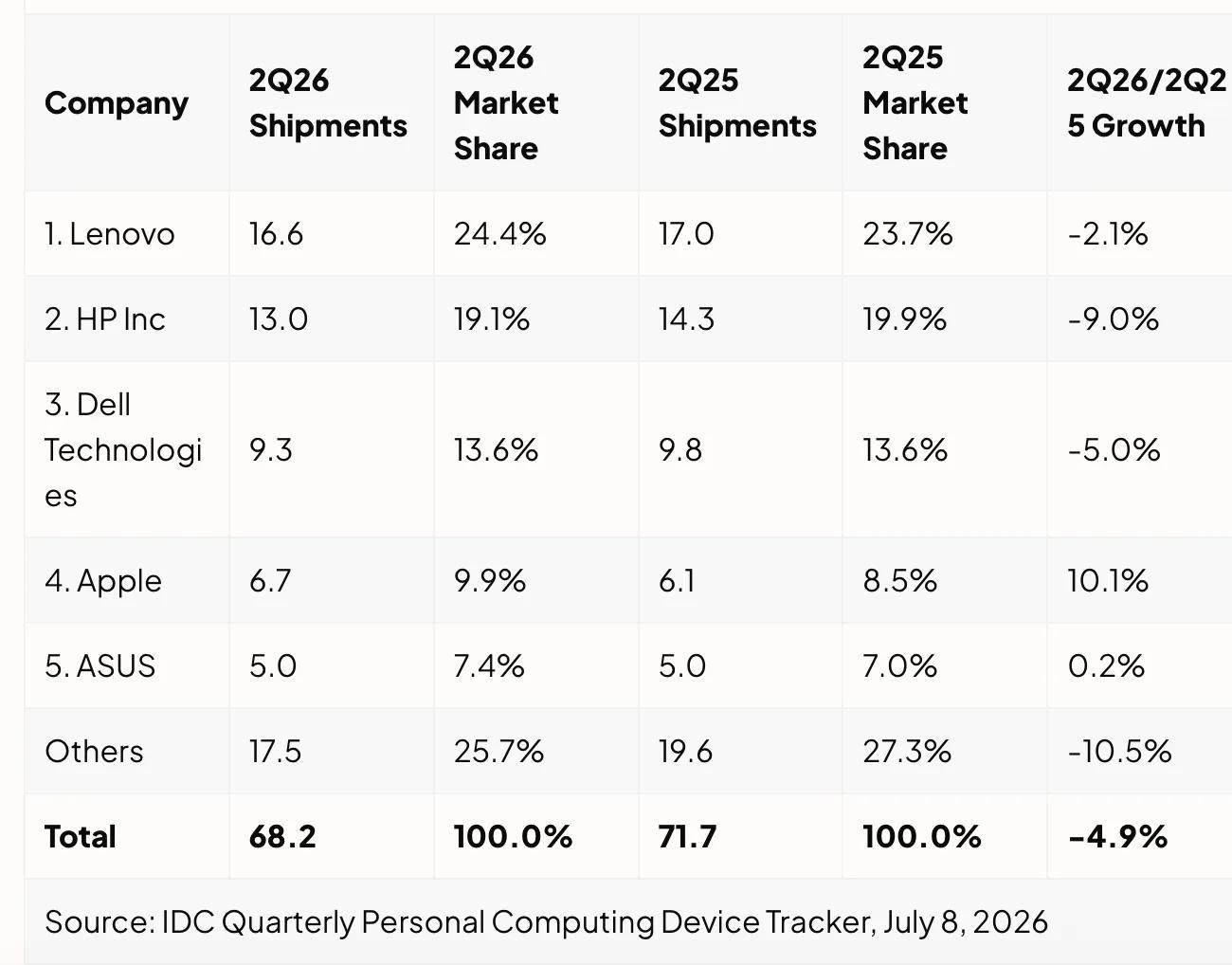
This data is more obvious when placed in the overall market. According to the IDC report, global PC shipments in the second quarter of 2026 fell by 4.9% year-on-year to 68.2 million units, Lenovo, HP and Dell all recorded negative growth. Apple is the only one among the top five manufacturers that has achieved significant growth, with shipments increasing by 10.1% against the trend and its market share reaching 9.9%. According to IDC, the growth of Apple's share coincides with the launch of new products. In an environment where memory prices are rising and the entire industry is generally raising prices, Apple is in a more comfortable position than its competitors.
(Source: IDC)
Apple's previous attitude towards whether PCs should be equipped with touchscreens has always been inconsistent with the mainstream voice in the PC industry. Touchscreen laptops in the Windows camp have been popular for more than ten years. Now most new laptops with a slightly high-end positioning are equipped with touchscreens, not to mention foldable laptops and 2-in-1 PCs. For so many years, only MacBook has insisted on not using touchscreens. Apple's logic is very simple: Steve Jobs once thought that touchscreen laptops are an ergonomic disaster, while Tim Cook has always emphasized that touch operation is a feature of iPad, and there is a clear boundary between Mac and iPad.
But now Apple's thinking has changed. Of course, Apple does not make touch the main interaction method, but takes it as an auxiliary interaction for the keyboard: the problem is not whether touch is needed, but how to use it. For MacBook Pro users, the keyboard and trackpad are still the main tools for daily use, but for high-frequency light operations such as scrolling web pages, zooming in on pictures, and tapping the screen during presentations, touch operation is more intuitive. Especially when Apple Intelligence increasingly emphasizes direct interaction with content, tapping on the screen is much more natural than positioning with the cursor.
Many people still hold reservations about the touch-enabled MacBook. A netizen on Macworld posted a comment that "Apple's first touch-enabled MacBook is coming, but I don't want it". He believes that the target users of MacBook Pro are heavy keyboard users, such as programmers, video editors and designers. The touchscreen has limited value for these people, but instead increases the cost and weight. The iPad Pro has already undertaken Apple's touch scenarios, and adding touchscreens to Mac devices will blur the boundary between the two product lines.
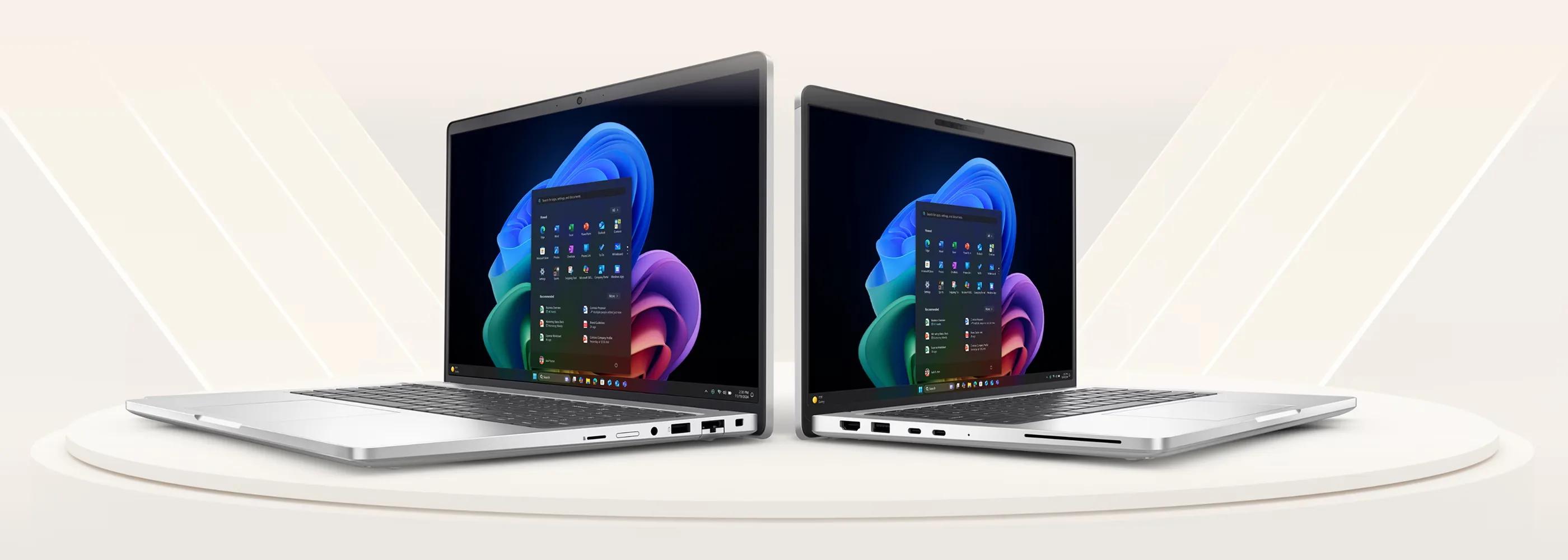
However, Leitech (ID: leitech) believes that the touchscreen is one of the few remaining competitive cards that Apple can play at present. The competition in the AI PC era is also forcing Apple to take action. For this round of AI PC hardware threshold, Microsoft has set the standard for the Windows camp as 16GB of memory at the minimum, and the NPU computing power must reach a certain level. Qualcomm Snapdragon X series, AMD Ryzen AI, and Intel Core Ultra are all sparing no effort to integrate NPU into laptops, and Windows 11's Copilot+ PCs take AI as the core selling point. Once the concept of AI PC + touch interaction is widely recognized, all brands will follow up.
(Source: Dell)
One of the advantages of Apple's AI PC is the unified memory architecture: CPU, GPU and NPU share the same memory pool, and no additional video memory bandwidth is required. Under the premise of the same memory capacity, Mac devices can often run larger parameter local models than Windows PCs. In the tide of rising memory prices, Windows AI PCs face greater cost pressure. The large memory required by AI PC just coincides with the sharp rise of memory prices. Apple is also affected, and its Mac products have raised prices collectively not long ago, but since the memory and video memory share the same system, the memory demand under the same AI capability is less, so it is relatively more resilient to cost increases.
The upgrade of the M6 chip also benefits the application scenarios of AI PC. The bandwidth is increased from 153GB/s to 200GB/s, the performance of the Neural Engine is doubled, and the 2nm process reduces power consumption, all of which help the implementation of on-device AI. Apple's efforts in AI are not limited to hardware: not long ago, it was revealed that Mac can access Alibaba's Qwen large model in China, and Apple is also training AI models exclusive for the Chinese market with the support of Alibaba. With joint efforts in hardware, system and model, the competitiveness of Mac in the AI PC field is getting stronger.
Standard Model and Touch-enabled Model Run in Parallel, Apple Wants to Have Both
Looking at the two products together, Apple's MacBook Pro product strategy is not complicated: the standard model uses the old chassis to maintain the basic market, while the touch-enabled model uses the new form to pursue incremental growth and more profits.
The standard M6 MacBook Pro continues to use the 2021 chassis. In the current situation of rising memory prices and tight supply chain, it can maintain a mature production line, controllable cost and stable supply. If it can keep the original starting price, it will still attract loyal target users. Its task is very simple: to meet the replacement demand of existing MacBook Pro users with the performance upgrade brought by M6.
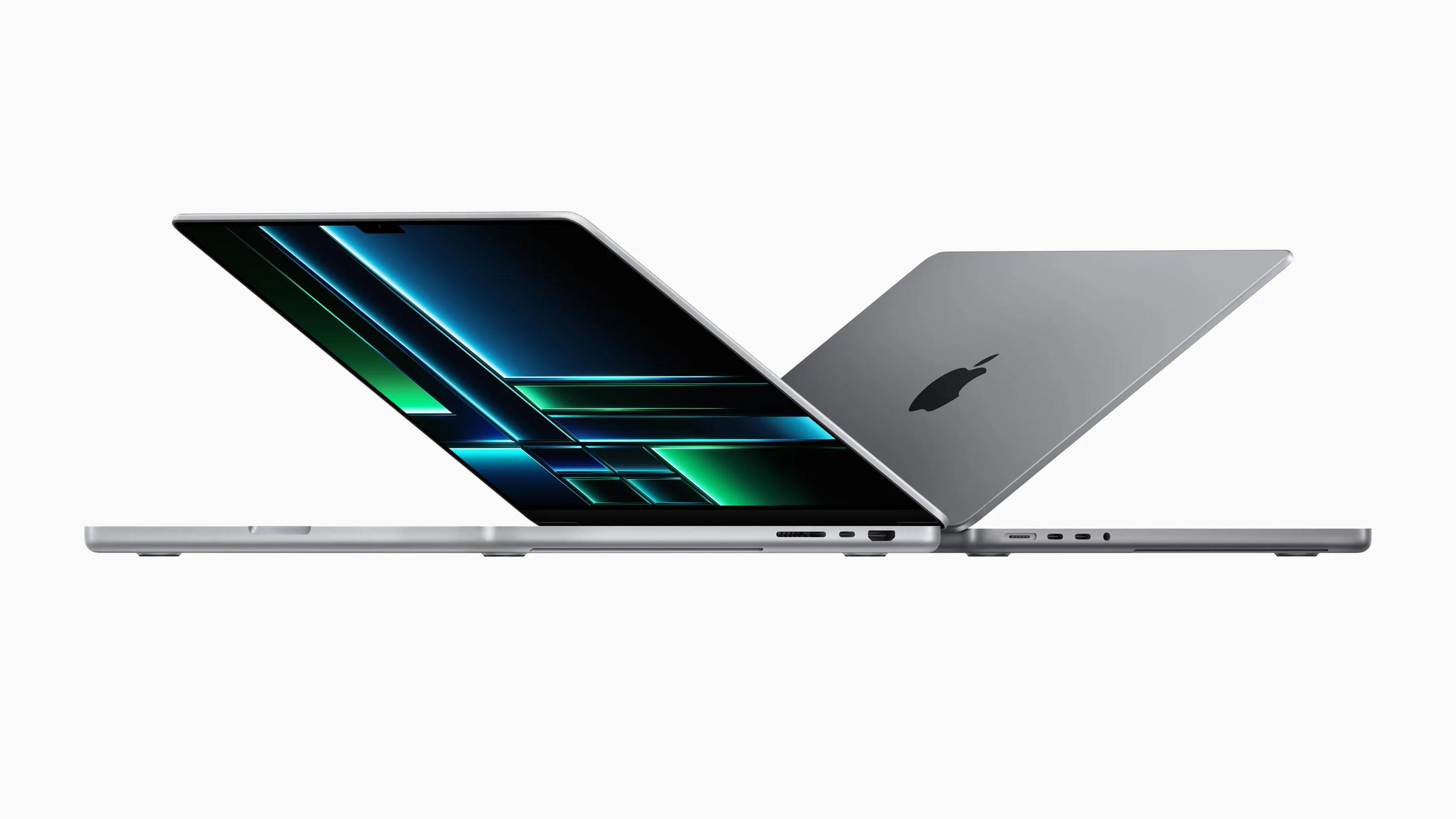
The touch-enabled MacBook is an attempt for Apple to step out of its comfort zone. The question it needs to answer is not only "whether Mac needs touch operation", but also "what a PC should look like in the AI era". The combination of OLED screen, Dynamic Island, cellular network and touch interaction has broken the traditional form of MacBook Pro, which is more like Apple's preliminary vision for the next generation of laptops.
(Source: Apple)
Once the touch-enabled MacBook Pro is accepted by the market, the rumored MacBook Ultra may arrive, just like the iPhone Ultra that breaks through the traditional form of iPhone.
In addition, in our opinion, after Ternus, who has long been in charge of hardware products, takes over as CEO, the product roadmap will become bolder. According to previous leaks, Ternus will further enrich Apple's hardware product lines, including reviving the HomePod and TV box, and even developing a central control screen. Therefore, the touch-enabled MacBook that has been hidden in the internal lab for a long time is now very logical to become an officially launched product.
In any case, this change is generally a good thing for ordinary consumers. The dual-product-line strategy of MacBook Pro gives different groups of people their own choices: users who are budget-sensitive and have stable demands can continue to choose the standard model, while users who like touch interaction and are keen on trying new things have a more suitable product. As for whether the touchscreen on MacBook Pro is useful, whether it is redundant or a valuable improvement, the answer will naturally be revealed after the new product is released and launched on the market.